People are drawn and employed to work in mental health peer support because of their own lived experience. They’ve been …

Empowering Neurodivergent Minds Together
Empowering Neurodivergent Minds Together
People are drawn and employed to work in mental health peer support because of their own lived experience. They’ve been …

Here’s a list of the wide range of symptoms and traits women with AuDHD (Autism and ADHD dual diagnosis) might experience in the months after having a baby. These are all real examples from women I have met during my work as a perinatal peer support worker.
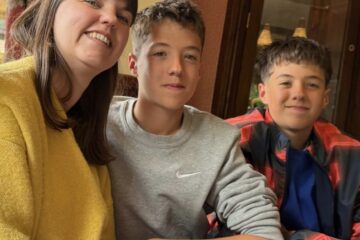
This is what PDA (Pathological Demand Avoidance) can look like for a late-diagnosed perimenopausal AuDHDer who struggles with executive functioning and perfectionism. PDA is described as a behavioural profile within the autism spectrum that is characterised by an extreme need to avoid everyday demands and expectations, often due to heightened anxiety.

Spending time on my special interests 🎬 🎶 📖 :
– re-watching all episodes of The Handmaid’s Tale before the final season started few weeks ago.
– listening to music & reading
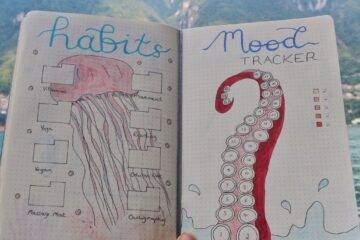
A “hyperfixation” is the complete obsession or intense and prolonged focus over a particular hobby or task. This could be a special interest, a TV series, a new subject you are researching, a new relationship even.
As an AuDHDer my hyperfixations tend to be centred around my special interests of music and reading and tend to last around a few weeks but they can also be totally new hobbies I get into for up to a year and then leave, never to touch them again.
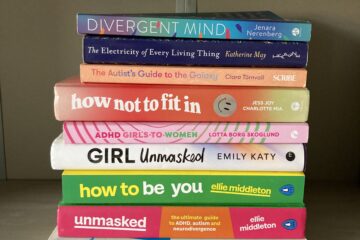
Reading Leanne Maskell’s post on LinkedIn this morning about hyperlexia got me thinking about all the books I’ve read and all the information I’ve consumed through social media, articles, courses and podcasts over the last two years on my neurodivergence hyper focus. One of the first books I bought was Jenara Nerenberg’s Divergent Mind which has a chapter on sensitivity. This was way before I realised I was autistic. I was waiting for my ADHD assessment and trying to collect as much information as possible to reduce the imposter syndrome and internalised ableism. It was like reading an explanation of my life.