

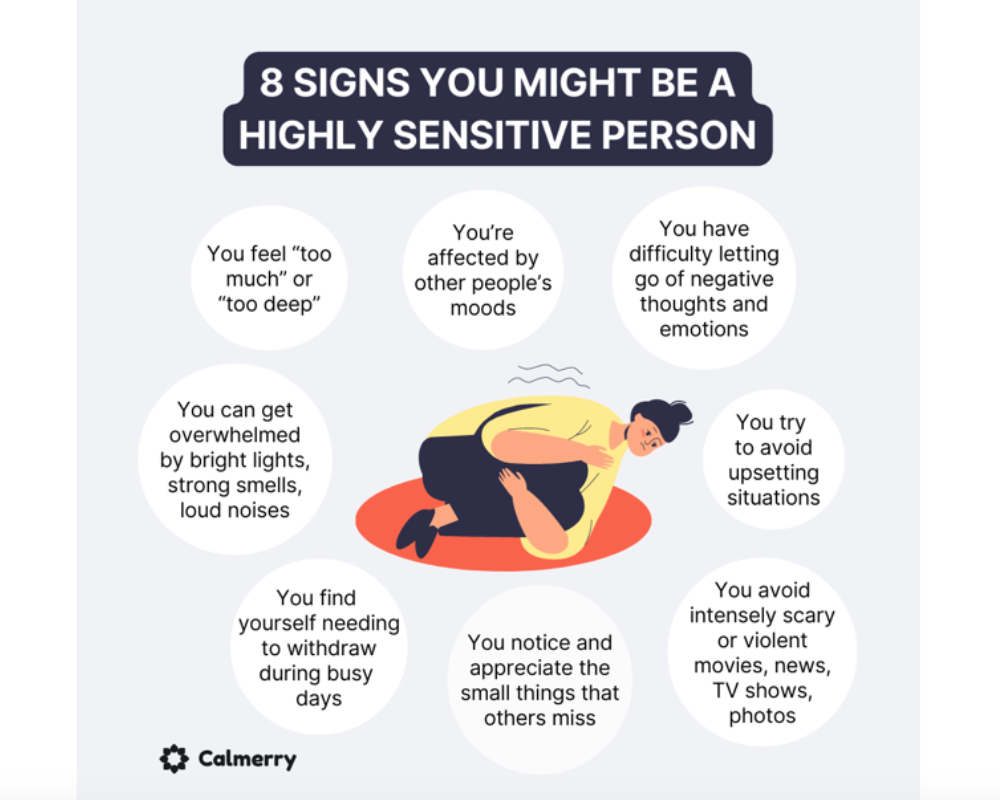
People are drawn and employed to work in mental health peer support because of their own lived experience. They’ve been through something difficult and are therefore inspired to help and support people who are going through a similar thing. With approximately 20% of the population identified as Highly Sensitive People (HSPs) – associated with deep emotional processing and heightened empathy – it’s likely that a significant proportion of peer support workers (PSWs) fall into this category too.
Being a highly sensitive person in peer support brings real strengths to the role, but it also comes with specific risks. Understanding both sides can help HSPs thrive in these roles rather than burn out from them.
What Is a Highly Sensitive Person (HSP)?
A Highly Sensitive Person is someone with Sensory Processing Sensitivity (SPS) — a well-documented personality trait first researched by psychologist Dr Elaine Aron. HSPs process sensory information more deeply, feel emotions (their own and other people’s) more intensely, and can be more sensitive to sensory stimuli such as noise, light, or strong feelings. This heightened sensitivity is exactly what makes HSPs so effective — and so vulnerable — in emotionally demanding roles like peer support.
The Strengths of Highly Sensitive Peer Support Workers
Empathy
Because of their tendency to feel other people’s emotions, highly sensitive people (HSPs) have an immense capacity to show empathy. Empathy is one of the key aspects of peer support and in terms of the core principles comes under mutuality i.e. shared lived experience. Having a unique understanding of what someone is going through, having been there themselves is a powerful thing when someone opens up about how they are feeling especially if that feels scary for them to do. Showing empathy through active listening and open body language can really make the person they are supporting feel heard and held in their distress. There is also the thought that highly sensitive people feel the emotions of others, both emotionally and physically therefore immediately putting themselves in the position of that person rather than imagining themselves in their shoes. This depth of empathy is a gift for the people they support — but it can also be mentally exhausting for the HSP themselves.

Creating Connection
HSPs are often highly attuned to reciprocity, and to sensing when something is wrong before it’s even said aloud. This sensitivity allows them to build genuine, trusting connections quickly — something that’s fundamental to effective peer support relationships.
The Risks for Highly Sensitive Peer Support Workers
Compassion Fatigue
Compassion fatigue can be described as a psychological state of anxiety or physical and mental distress associated with the stress of helping others. Highly sensitive people in healthcare roles are more vulnerable to compassion fatigue, precisely because of their high empathy and sensitivity to other people’s moods and emotions.
As above, that empathy can be wonderful as it is what makes the person they’re supporting feel accepted and heard — but it has a cost. Regular exposure to strong emotions or stories of trauma can leave highly sensitive PSWs feeling extremely depleted, and they may need to seek regular supervision to process and offload some of what they’re carrying by the end of the working day.
Burnout
Left unchecked, compassion fatigue can tip into burnout. Not looking after yourself, and not staying aware of the early signs of compassion fatigue, can mean not being able to switch off — carrying the weight of the work home with you, day after day.
Lived experience and triggers
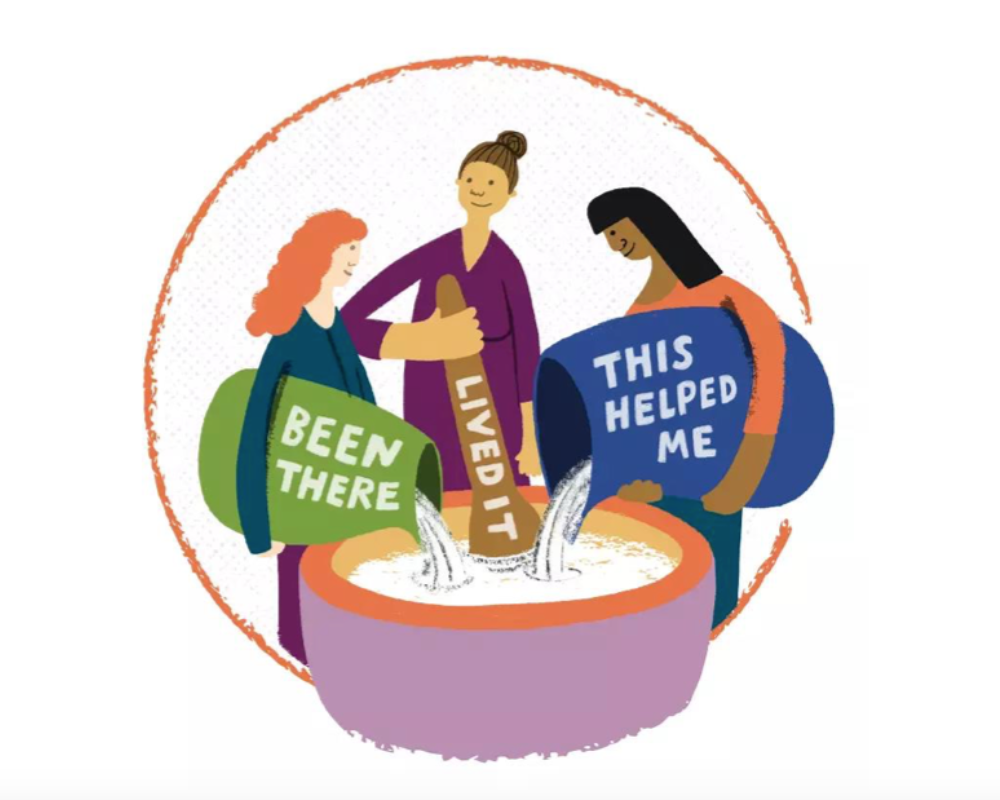
Being a peer support worker means you have your own lived experience of mental health difficulties. This makes a PSW highly relatable, and it means they can choose which parts of their own story to share in order to inspire hope for recovery.
But it also means that they are sometimes forced to relive painful memories over and over. Those memories, and the emotions attached to them, may not be fully processed — and the smallest thing can be a trigger, catching them by surprise. Because memories can be very sensory, and HSPs are especially sensitive to sensory input, they can be triggered by sounds, smells, light, and other sensory cues that wouldn’t affect someone else in the same way.

How Highly Sensitive Peer Support Workers Can Protect Their Wellbeing
- Build in regular supervision to process difficult appointments with service users. Reach out to colleagues in between supervision sessions if there is something that is bothering you.
- Notice your sensory limits and create recovery time after emotionally intense conversations. Manage your diary by making appointments in the morning so you have the afternoon to do the documentation and process any emotions.
- Set boundaries around how much of your own story you share, and when. Discuss this with your colleagues in peer group supervision.
- Track early signs of compassion fatigue — irritability, exhaustion, dreading appointments — before they become burnout.
- Learn your own triggers so you can recognise and manage them in the moment rather than being blindsided.
Final Thoughts
Being a highly sensitive person in mental health peer support is a double-edged sword: the same traits that make HSPs exceptional at empathy and connection are the ones that put them at higher risk of compassion fatigue and burnout. With the right self-awareness and support in place, HSPs can bring huge value to peer support work while protecting their own mental health too.
Further Reading
On being highly sensitive:
The Highly Sensitive Person by Elaine Aron
The Empath and the Highly Sensitive Person: Mastering Emotional Intelligence and Building Strong Relationships by Richard Banks
On Peer Support
Peer Support in Mental Health by Emma Watson and Sara Meddings
Disclosure: This post contains affiliate links. This means I will receive a commission for any purchases made via the links but it does not cost you any more. Thank you for supporting my business.